Paratha are a pan-fried Indian style flaky flatbread made with whole-wheat flour and can be enjoyed alongside any type of Indian meal. Prepare perfect parathas every time for breakfast, lunch or dinner.
In this post, you can learn the techniques for the best super flaky whole wheat parathas , also known as tawa paratha , with lots of layers .

- About
- Varieties of paratha
- Ingredients
- How to make flaky plain paratha Making the dough Rolling out square paratha Cooking
- Pro Tips
- Serving Suggestions
- Storage
- Other Indian flatbreads
About
Plain paratha are type of Indian flatbread made from a dough of whole wheat flour (atta), water, and oil or ghee.
The dough is rolled out into a flat shape and cooked on a hot griddle or skillet until dark brown spots appear on both sides.
They are typically served hot and can be accompanied by various side dishes such as yogurt, pickles, or curry.
Plain parathas are versatile and can be enjoyed for breakfast, lunch, or dinner and are popular across the Indian subcontinent and are often found in restaurants and households alike.
Unlike stuffed parathas, plain parathas do not contain any filling.
Can be made round or square shape or triangular shapes.
Frozen paratha that are available in the shops are generally made of purpose flour or plain flour.
Paratha are known by different names across regions within India: parantha, parotha, parotta, parothi and porotta.
Varieties of paratha
Paratha can be plain, flavoured or even stuffed.
These masala lachha paratha (also known as laccha paratha) have lots of flaky layers and are flavoured with red chilli powder, turmeric and cumin and coriander powder.
We also regularly make dal paratha with leftover dal such as Mag Ni Dal or Gujarati Dal.
These ajwain paratha , made with carom seeds, typically have a triangle shape.
I love these flavourful and healthy cabbage paratha , ideal recipe for breakfast or lunch-box.
Stuffed paratha typically include this aloo paratha recipe – stuffed spiced mashed potatoes, gobi paratha (cauliflower), paneer paratha (indian cheese) or mooli paratha (radish).
Ingredients
Whole wheat flour – also known as atta. Atta is the primary ingredient used to make various Indian breads such as chapati, roti, naan, and paratha.
Oil – vegetable oil or any other flavourless oil
Salt – regular salt or kosher salt
Water – at room temperature or lukewarm works best
This recipe naturally makes vegan paratha as long as you do not brush on desi ghee!

How to make flaky plain paratha
Here is a step by step recipe for both square and round paratha. You can find extensive tips below as well.
Making the dough
In a large mixing bowl combine flour, salt, and little oil then knead a soft dough and pliable dough using warm water.
Cover the paratha dough with a clean kitchen towel and leave it to rest for 10-15 minutes.


Rolling out square paratha
When you are ready to make paratha, once again knead the dough for one or two minutes.
Divide the dough in equal parts and make round balls.
Dust some dry flour on a working surface, take a dough ball and roll one ball into a small circle using a rolling pin.
Now brush over some oil and dust a little flour.


Now fold the rolled dough over an edge by 1/3 and apply a little oil and a sprinkle of flour over the folded part. Now repeat with the bottom edge and fold that by 1/3 over the first edge. You should now be left with a rectangle.
Now again brush some oil and sprinkle flour and fold the two sides over by 1/3 until you get a square.
Now roll out the dough into a square (see video for reference).
For a triangle shape, see my ajwain paratha post.


Round Paratha
Roll out a ball with a rolling pin.
Apply a bit of oil and sprinkle a pinch of flour on the top side.
Gather together all of the edges in the centre then gently roll in your hands to make a ball. Dust the ball again with flour and start rolling into a large circle.
Try to apply equal pressure on all sides and do not push down too hard. The dough will automatically move in a circular motion as it flattens. You can also manually turn the dough yourself and roll it round. Use more flour if you need.


Cooking
You will now need a tawa which is heated on medium to high flame.
Cook the paratha on one side then flip over and brush with oil. Now flip over and brush oil again. Cook on both sides until golden brown spots appear. Use a spatula to keep pressing down the dough.
Cook on medium-high heat to make soft and crispy paratha as on low heat, the paratha will become hard and chewy.


Pro Tips
Depending on the brand of atta, you will likely need different amounts of water so add a bit at a time.
Use warm water to knead the dough to keep it soft.
If the dough is too soft and sticky, add more flour or if it is too hard add small amounts of water at a time and knead.
Allow the dough to rest as you will find it easier to roll out but ensure to keep the dough covered.
Keep pressing the paratha with a spatula as it cooks – this helps it to puff and create all those wonderful flaky layers. But do not press too much as the dough can toughen.
Knead the dough using milk to keep parathas for fresher and longer, especially for travelling.
Serving Suggestions
Paratha can be enjoyed anytime of the day.
For breakfast, go for yogurt, a pickle such as gajar achar with some ghee or sweet lassi . A cooling fruit raita is also a great option.
You can serve plain paratha with so many Indian curries. I prefer curries with a gravy such as aloo tamatar ki sabji , matar paneer or chana saag .
You can also serve them with a cup of masala chai – it’s a great snack to eat up any leftover flatbreads.
They are also great as wrap – roll up with your favourite fillings such as grilled kebabs, paneer, vegetables, tofu and chutneys or sauces.
Kids will like plain paratha with strawberry jam or even nutella.
Storage
Store leftover paratha in an airtight container and keep at room temperature. Storing in the fridge will made them go hard.
Reheat on the stove top until warm through and eat immediately.
I prefer not to make the dough ahead of time but make it fresh just before cooking. You can however store leftover dough in the fridge to use the next day.
To freeze, allow to cool completely then place in freezer bags with a piece of parchment paper in between each one. Freeze flat so they keep their shape. Reheat directly from frozen on a hot tawa.

Other Indian flatbreads
Rotli – Gujarati style thin chapati
Whole Wheat Roti
Bhakhri – another Gujarati style flatbread made with coarse whole wheat flour.
Methi Thepla
Besan Roti (Gram flour flatbread)
As always if you make this recipe, be sure to leave me a comment, rate this recipe and tag me on Instagram @jcookingodyssey or #jcookingodyssey. I love seeing all your photos of my recipe recreations!
Don’t forget to follow me on social media using the buttons below – I can’t wait to see you all there!
- YouTube

Plain Whole Wheat Paratha
Equipment
- Mixing bowl
- Skillet or Tawa
- Rolling Pin
Ingredients
- 1 ½ cup whole wheat flour
- 1 tablespoon oil plus some for frying
- ½ teaspoon salt
- water as needed
Instructions
Making the dough
- In a large mixing bowl combine flour, salt, and little oil then knead a soft dough and pliable dough using warm water.
- Cover the paratha dough with a clean kitchen towel and leave it to rest for 10-15 minutes.
Rolling out
- When you are ready to make paratha, once again knead the dough for one or two minutes.
- Divide the dough in equal parts and make round balls.
- Dust some dry flour on a working surface, take a dough ball and roll one ball into a small circle using a rolling pin.
- Now brush over some oil and dust a little flour.
- Now fold the rolled dough over an edge by 1/3 and apply a little oil and a sprinkle of flour over the folded part. Now repeat with the bottom edge and fold that by 1/3 over the first edge. You should now be left with a rectangle.
- Now again brush some oil and sprinkle flour and fold the two sides over by 1/3 until you get a square.
- Now roll out the dough into a square (see video for reference).
Cooking
- You will now need a tawa which is heated on medium to high flame.
- Cook the paratha on one side then flip over and brush with oil. Now flip over and brush oil again. Cook on both sides until golden brown spots appear. Use a spatula to keep pressing down the dough.
- Cook on medium-high heat to make soft and crispy paratha as on low heat, the paratha will become hard and chewy.
Video
Notes
Nutrition
PLEASE NOTE: Nutritional values are estimated by a computer and may vary based on ingredients and portion sizes. For personalised dietary advice, please consult a qualified healthcare professional.
Plain Whole Wheat Paratha
Equipment
- Mixing bowl
- Skillet or Tawa
- Rolling Pin
Ingredients
- 1 ½ cup whole wheat flour
- 1 tablespoon oil plus some for frying
- ½ teaspoon salt
- water as needed
Instructions
Making the dough
- In a large mixing bowl combine flour, salt, and little oil then knead a soft dough and pliable dough using warm water.
- Cover the paratha dough with a clean kitchen towel and leave it to rest for 10-15 minutes.
Rolling out
- When you are ready to make paratha, once again knead the dough for one or two minutes.
- Divide the dough in equal parts and make round balls.
- Dust some dry flour on a working surface, take a dough ball and roll one ball into a small circle using a rolling pin.
- Now brush over some oil and dust a little flour.
- Now fold the rolled dough over an edge by 1/3 and apply a little oil and a sprinkle of flour over the folded part. Now repeat with the bottom edge and fold that by 1/3 over the first edge. You should now be left with a rectangle.
- Now again brush some oil and sprinkle flour and fold the two sides over by 1/3 until you get a square.
- Now roll out the dough into a square (see video for reference).
Cooking
- You will now need a tawa which is heated on medium to high flame.
- Cook the paratha on one side then flip over and brush with oil. Now flip over and brush oil again. Cook on both sides until golden brown spots appear. Use a spatula to keep pressing down the dough.
- Cook on medium-high heat to make soft and crispy paratha as on low heat, the paratha will become hard and chewy.
Video
Notes
Nutrition
PLEASE NOTE: Nutritional values are estimated by a computer and may vary based on ingredients and portion sizes. For personalised dietary advice, please consult a qualified healthcare professional.
If you’re preparing piping hot parathas, you’re probably what to eat with paratha ! These are the best vegetarian Indian side dishes for paratha ranging from simple dips to delicious veg side dishes.

- What to serve with paratha for breakfast
- Vegetable Curries
- Paneer Curries
- Dal / Lentils / Beans
- Drinks
- Sweet dishes
- Pickles / Chutneys / Sauce / Raita
- Jam / Ghee
- FAQs
Paratha are pan-fried unleavened Indian and Pakistani flatbreads usually made with whole wheat flour but can be made with plain flour.
They can be plain and flaky in texture or are commonly stuffed with potatoes, cauliflower, paneer or radish.
They’re pretty straight forward to make at home but you can also find frozen paratha in larger supermarkets and South Asian grocery stores.
Your choice of side dishes ultimately depends on which style of paratha you are making and what time of the day you’re making them.
Paratha are enjoyed throughout India for breakfast, lunch or dinner with varying sides.
Plain parathas go with pretty much any side as they do not have any added spices. You can serve them with a simple easy side, a curry or even a sweet dish. Ajwain parathas only have the addition of carom seeds so pair with a lot of different dishes too.
Stuffed paratha such as aloo paratha, aloo pyaaz paratha or paneer paratha are almost a meal in themselves and will go best with yogurt or a creamy drink. However, many enjoy them with a spicy pickle, tomato ketchup and chai.
Paratha recipes we love are Dal Paratha and Methi Thepla .
What to serve with paratha for breakfast
Paratha and breakfast go hand in hand in so many Indian homes.
Aloo Paratha is a very popular dish for breakfast and most often this will be served with yogurt or raita (boondi, cucumber are all good options) or chutneys. Chai is a must at breakfast.
Saying that, simple curries such as potato curry or a mild chickpea curry are also eaten at breakfast times. Basically you want any quick side dish for busy mornings.
Kids will love paratha with ketchup, jam or even a chocolate spread.
Vegetable Curries
Paratha can be enjoyed with curries that have a gravy or dry sabzis. If serving with a dry sabji, then you definitely would want to add a raita or chutney to make the dish easier to eat.
You can find a huge variety of Vegetable curries or Paneer Curries which both go amazing with paratha.


Paneer Curries


Dal / Lentils / Beans
Piping hot dal is just waiting to be dunked into. You’ll need a rice dish such as jeera rice and a dry vegetable curry alongside your dal to make it a complete meal.


Drinks
In our house, paratha are pretty much always served with a steaming mug of chai (Indian style tea)! Another common drink that pairs well with paratha is lassi which is a yogurt based drink that can be flavoured sweet or salty.


Sweet dishes
Complete your meal with a delicious creamy sweet dish.


Pickles / Chutneys / Sauce / Raita
The easiest and quickest side dishes are undoubtedly some sort of chutney or raita. Many chutneys are always stocked in Indian and Pakistani homes, whether shop bought or homemade.
Raita is super easy to whip up but you can always just go for plain yogurt!
Yogurt dips like simple raita like cucumber raita, boondi raita or fruit raita add flavour and texture and are my personal favourite go-to sides for paratha.
Spicy chutneys go best with plain paratha and mild sweet chutneys such as a mango pickle are better with stuffed. However, you can always try out different options and see what you like.
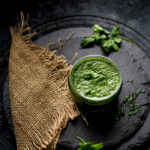
I love green mint and coriander chutney – this delicious recipe has a bright green color and a bright zingy flavour making it a good option at lunch time.
Poppadom dips such as Indian onion salad or Indian mint sauce go well too.



Jam / Ghee


The best side dishes for aloo paratha include a pickle, a cooling yogurt raita or a creamy sweet or salty lassi.
A simple mild curry like potato curry and a raita are typically served with palak paratha.
You can top paratha with ghee, condensed milk, pickle, thick sauces, jam or nutella.

As always if you make this recipe, be sure to leave me a comment, rate this recipe and tag me on Instagram @jcookingodyssey or #jcookingodyssey. I love seeing all your photos of my recipe recreations!
Don’t forget to follow me on social media using the buttons below – I can’t wait to see you all there!
- YouTube

Side Dishes for Paratha
Equipment
- pot Pan or kadai
- Food processor
- Pressure cooker
Ingredients
- 1 Raita
- 1 Masala Chai
- 1 Lassi
- 1 Yogurt
- 1 Pickle
- 1 Aloo tamatar sabji
- 1 Chutney
- 1 Cucumber and onion salad
- 1 Vegetable curry
- 1 Chana Masala
- 1 Rice Kheer
- 1 Halwa recipe
Instructions
- Prepare your favourite parathas.
- For breakfast you might like to have Lassi or yogurt, pickle and masala chai with your stuffed paratha.
- For brunch include aloo tamatar sabji and halwa with plain paratha.
- Whole wheat paratha can be enjoyed with chana masala, raita, chutney and rice kheer for lunch.
- Pair tawa paratha with vegetable curry, cucumber onion salad and yogurt for dinner.
- Click on your favourite paratha side dishes recipe link above in the post.
- Read it through and prepare the side dish by following the instaructions given in the post in recipe card and video or step by step pictures.
- Serve and enjoy Paratha side dishes with your friends and family.
PLEASE NOTE: Nutritional values are estimated by a computer and may vary based on ingredients and portion sizes. For personalised dietary advice, please consult a qualified healthcare professional.
